

6740e20357a96738bbe88bf33b3b98d9

The Importance of 24/7 Security: How Round-the-Clock Protection Keeps Your Business Safe

In today’s fast-paced business environment, security is no longer just a luxury—it’s a necessity. Businesses, both large and small, are faced with a multitude of risks that could potentially jeopardize their operations, assets, and reputation. The demand for 24/7 security has become more critical than ever as companies strive to protect themselves against increasingly sophisticated threats. This article delves into the importance of round-the-clock security and how it plays a vital role in keeping your business safe.

Understanding the Growing Need for 24/7 Security

In the modern world, where digital and physical threats are constantly evolving, having 24/7 security is essential. The risk landscape for businesses has expanded, and the potential consequences of a security breach can be catastrophic. Cyber-attacks, physical intrusions, and internal threats are just a few examples of the dangers that businesses must guard against. The need for constant vigilance cannot be overstated.

The Role of 24/7 Security in Protecting Business Assets

One of the primary reasons for implementing round-the-clock security is the protection of business assets. These assets include not only physical items such as equipment, inventory, and property but also intangible assets like data and intellectual property. A security breach can lead to significant financial losses, legal liabilities, and damage to the company’s reputation.

Physical Security

Physical security measures, such as surveillance cameras, access control systems, and security personnel, are crucial in preventing unauthorized access to business premises. These measures are effective at deterring potential intruders and responding quickly to any security incidents.

Cybersecurity

With the rise of digital transformation, businesses are more reliant on technology than ever before. Cybersecurity is a critical component of 24/7 security, ensuring that networks, systems, and data are protected from cyber threats. This includes measures such as firewalls, encryption, intrusion detection systems, and regular security updates.

How 24/7 Security Enhances Business Continuity

Business continuity is the ability of a company to continue its operations in the face of a crisis or disruption. 24/7 security plays a pivotal role in ensuring that a business can maintain its operations without significant interruptions. Whether it’s a natural disaster, cyber-attack, or physical intrusion, having a robust security system in place allows a business to respond quickly and effectively, minimizing downtime and loss.

Preventing Downtime

Unplanned downtime can be costly for businesses. It can result in lost revenue, decreased productivity, and damage to customer trust. 24/7 security helps prevent downtime by monitoring for potential threats and addressing them before they can escalate into full-blown crises.

Ensuring Data Integrity

Data integrity is crucial for business operations. A breach in data integrity can lead to incorrect business decisions, financial losses, and legal ramifications. Round-the-clock cybersecurity ensures that data is consistently monitored and protected, preserving its accuracy and reliability.

The Economic Impact of Security Breaches

Security breaches can have devastating economic consequences for businesses. The costs associated with a breach can include legal fees, regulatory fines, loss of revenue, and the expenses involved in mitigating the damage. In some cases, businesses may never fully recover from a major security incident.

Direct Costs

Direct costs of a security breach include the immediate expenses related to containing and addressing the breach. This can involve the cost of forensic investigations, legal consultations, and repairing any damage caused.

Indirect Costs

Indirect costs are often more challenging to quantify but can be just as damaging. These include reputational damage, loss of customer trust, and the long-term impact on business relationships. The loss of sensitive data can lead to a loss of competitive advantage, further affecting the company’s bottom line.

Legal and Regulatory Compliance

In many industries, maintaining 24/7 security is not just a best practice—it’s a legal requirement. Various regulations mandate that businesses implement stringent security measures to protect sensitive data and ensure the privacy of their clients and customers.

Data Protection Regulations

With regulations such as the General Data Protection Regulation (GDPR) and the California Consumer Privacy Act (CCPA), businesses are required to take specific measures to protect personal data. Non-compliance with these regulations can result in severe penalties, including hefty fines and legal action.

Industry-Specific Requirements

Certain industries, such as finance, healthcare, and energy, have additional security requirements due to the sensitive nature of the information they handle. 24/7 security is essential in these sectors to ensure compliance with industry standards and regulations.

The Role of Technology in 24/7 Security

Technology plays a crucial role in enabling round-the-clock security. Advancements in surveillance, access control, and cybersecurity tools have made it easier for businesses to monitor and protect their assets at all times.

Surveillance Systems

Modern surveillance systems offer high-definition video, real-time monitoring, and advanced analytics that can detect unusual activity. These systems are integral to 24/7 physical security, providing a constant watch over business premises.

Access Control Systems

Access control systems are designed to restrict unauthorized entry to specific areas of a business. These systems can be integrated with other security measures to provide comprehensive protection, ensuring that only authorized personnel have access to sensitive areas.

Cybersecurity Tools

The latest cybersecurity tools use artificial intelligence and machine learning to detect and respond to threats in real time. These tools can identify patterns and anomalies that may indicate a security breach, allowing businesses to take swift action to mitigate the risk.

Building a Comprehensive 24/7 Security Strategy

Implementing 24/7 security requires a comprehensive strategy that addresses both physical and cyber threats. This strategy should be tailored to the specific needs of the business and should evolve as new threats emerge.

Risk Assessment

A thorough risk assessment is the first step in building a 24/7 security strategy. This involves identifying potential threats, assessing the likelihood of those threats, and determining the potential impact on the business. The results of the risk assessment will inform the security measures that need to be implemented.

Layered Security Approach

A layered security approach involves implementing multiple security measures that work together to provide comprehensive protection. This approach ensures that if one layer of security is breached, additional layers are in place to prevent further intrusion.

Continuous Monitoring and Improvement

24/7 security is not a one-time implementation—it requires continuous monitoring and improvement. Regular security audits, updates to security systems, and employee training are essential to maintaining a high level of security.

The Human Element in 24/7 Security

While technology is a vital component of round-the-clock security, the human element cannot be overlooked. Security personnel play a critical role in monitoring, responding to incidents, and ensuring that security protocols are followed.

Security Personnel

Trained security personnel are essential for responding to physical threats, managing access control, and providing a visible deterrent to potential intruders. Their presence is a key component of any 24/7 security strategy.

Employee Awareness and Training

Employees are often the first line of defense against security threats. Regular training and awareness programs are essential to ensure that employees understand their role in maintaining security and know how to respond to potential threats.

Conclusion

In today’s increasingly complex threat landscape, 24/7 security is more than just a precaution—it’s a critical necessity. By implementing round-the-clock protection, businesses can safeguard their assets, ensure business continuity, and comply with legal and regulatory requirements. A comprehensive 24/7 security strategy that incorporates both technology and human elements is essential for maintaining a secure business environment. With the right measures in place, businesses can mitigate risks, protect their reputation, and achieve long-term success.
3aa56cf7c0a53749b0e4ee9da9a84ec6

Event Security 101: Key Strategies for Managing Large Crowds Safely

Managing large crowds during events is a complex task that requires meticulous planning, strategic execution, and a comprehensive understanding of potential risks. Whether it’s a music festival, sports event, or political rally, ensuring the safety of attendees is paramount. This article outlines essential strategies for managing large crowds safely, offering insights into effective event security practices that can help prevent incidents and ensure a smooth, secure experience for everyone involved.

Understanding the Importance of Event Security

Event security is not just about having guards at the entrance or installing surveillance cameras—it’s about creating a safe environment where attendees can enjoy the event without fear or risk. Proper event security involves anticipating potential issues, preparing for emergencies, and coordinating with all relevant stakeholders to ensure a seamless operation.

Risk Assessment

Before any event, a thorough risk assessment is crucial. This process involves identifying potential threats, vulnerabilities, and the specific needs of the event. Factors such as the size of the crowd, the nature of the event, the venue location, and historical data on similar events should all be considered.

Regulatory Compliance

Ensuring compliance with local regulations and safety standards is a critical part of event security. These regulations often dictate the minimum safety measures required, including crowd control barriers, emergency exits, and the presence of trained security personnel.

Pre-Event Planning and Coordination

The success of event security hinges on detailed pre-event planning and coordination. This involves working closely with law enforcement, emergency services, and venue staff to develop a comprehensive security plan.

Security Personnel Deployment

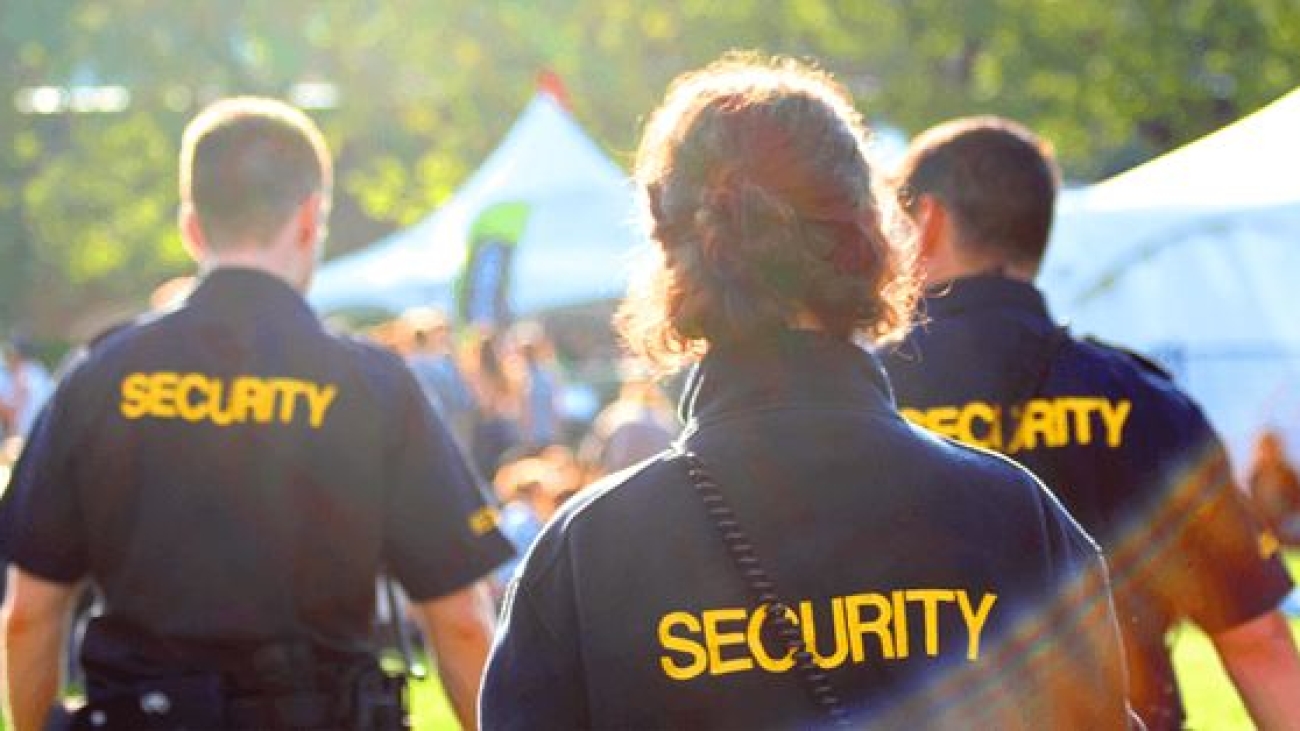
One of the key elements of event security is the strategic deployment of security personnel. Guards should be positioned at key points such as entrances, exits, and high-traffic areas. It’s essential to have both visible and covert security presence to deter potential threats and respond quickly to any incidents.

Access Control and Screening

Implementing strict access control measures is vital to prevent unauthorized individuals from entering the event. This includes ticket verification, bag checks, and the use of metal detectors. Pre-screening attendees for prohibited items can significantly reduce the risk of security breaches.

Crowd Management Techniques

Effective crowd management is central to maintaining order and ensuring the safety of attendees. Large crowds can quickly become dangerous if not properly controlled, leading to overcrowding, stampedes, or panic situations.

Designing the Venue Layout

The layout of the venue plays a crucial role in crowd management. Ensuring there are sufficient entry and exit points, clearly marked pathways, and ample space for movement can help prevent bottlenecks and overcrowding.

Use of Barriers and Barricades

Barriers and barricades are essential tools for controlling the flow of people and keeping crowds organized. These should be strategically placed to guide attendees and prevent unauthorized access to restricted areas.

Monitoring Crowd Behavior

Continuous monitoring of the crowd is essential for identifying potential issues before they escalate. Security personnel should be trained to recognize signs of distress, overcrowding, or aggressive behavior and take appropriate action to de-escalate situations.

Emergency Response Planning

Despite the best-laid plans, emergencies can still occur. Having a well-prepared emergency response plan is crucial for minimizing the impact of any incidents that do arise.

Developing an Emergency Evacuation Plan

An emergency evacuation plan should be in place and communicated to all staff and security personnel. This plan should include clear instructions for directing attendees to the nearest exits and designated safe zones.

Coordination with Emergency Services

Coordination with local emergency services, including police, fire departments, and medical personnel, is essential. These agencies should be briefed on the event details and the security plan so they can respond quickly and effectively if needed.

First Aid and Medical Services

Having first aid and medical services on-site is a critical aspect of event security. Medical tents should be strategically located and staffed with trained personnel ready to respond to injuries or medical emergencies.

Leveraging Technology for Enhanced Security

Technology has become a vital component of modern event security, offering tools that can enhance both prevention and response efforts.

Surveillance Systems

Surveillance cameras are indispensable for monitoring large crowds and identifying potential threats. These systems should be strategically placed to cover all critical areas of the venue and provide real-time feeds to the security control room.

Communication Systems

Effective communication is key to managing large crowds. Security personnel should be equipped with reliable communication systems to stay in constant contact with one another and with the central command center. This ensures a coordinated response to any incidents.

Crowd Analytics

Crowd analytics tools can be used to monitor crowd density and movement patterns in real time. This data allows security teams to proactively manage crowd flow and prevent dangerous situations such as overcrowding.

The Role of Security Personnel in Crowd Management

While technology is a powerful tool, the human element remains essential in event security. Trained security personnel are crucial for maintaining order and responding to incidents.

Training and Preparedness

Security personnel must be well-trained in crowd management techniques, emergency response, and conflict resolution. Regular training sessions and drills should be conducted to ensure that the team is prepared for any situation that may arise.

Visible Presence

A visible security presence can serve as a deterrent to potential troublemakers and reassure attendees that their safety is a priority. Security personnel should be approachable, yet authoritative, and ready to assist attendees with any concerns.

Conflict Resolution

Dealing with conflicts and disturbances is a common challenge in large events. Security personnel should be skilled in conflict resolution, capable of de-escalating tense situations without resorting to force unless absolutely necessary.

Post-Event Security Measures

Security doesn’t end when the event concludes. Post-event measures are necessary to ensure that attendees leave safely and that the venue is secure.

Managing Crowd Dispersal

Efficiently managing the dispersal of crowds at the end of an event is essential to prevent congestion and ensure safety. Security personnel should guide attendees to exits and transportation hubs while maintaining order.

Venue Security Sweep

After the event, a thorough security sweep of the venue should be conducted to ensure no suspicious items or individuals remain. This is also an opportunity to assess the effectiveness of the security plan and identify areas for improvement.

Debriefing and Evaluation

A post-event debriefing with all security personnel and stakeholders is essential to review the event’s security performance. This evaluation helps in refining future security plans and addressing any weaknesses identified during the event.

Conclusion

Managing large crowds safely at events requires a comprehensive approach that integrates planning, coordination, technology, and trained personnel. By implementing the strategies outlined in this article, event organizers can minimize risks, enhance safety, and ensure a positive experience for all attendees. In an era where the safety of large gatherings is more critical than ever, investing in effective event security is not just a necessity—it’s a responsibility.

5

Choosing the Right Security Services for Your Business: A Comprehensive Guide

In today’s fast-paced and ever-evolving business environment, ensuring the safety and security of your assets, employees, and customers is a top priority. Whether you’re a small business owner or a large corporation, selecting the right security services is crucial to safeguarding your operations. This comprehensive guide will walk you through the essential factors to consider when choosing security services for your business, ensuring you make an informed decision that meets your specific needs.

Understanding the Importance of Security Services

The first step in choosing the right security services is understanding why they are vital to your business. Security threats come in many forms, from physical intrusions and theft to cyber-attacks and data breaches. Without adequate protection, your business could face severe financial losses, reputational damage, and legal repercussions.

Protecting Physical Assets

Physical assets, such as equipment, inventory, and property, are often the most visible targets for criminals. Implementing physical security services, such as on-site security guards, surveillance systems, and access control, can help deter theft and vandalism, ensuring your assets remain safe.

Ensuring Employee and Customer Safety

The safety of your employees and customers is paramount. A secure environment not only protects them from harm but also fosters a positive atmosphere where productivity and customer satisfaction can thrive. Security services like emergency response teams, patrol services, and monitoring systems are essential to maintaining a safe workplace.

Safeguarding Data and Intellectual Property

In the digital age, protecting your business’s data and intellectual property is just as important as securing physical assets. Cybersecurity services are crucial for defending against data breaches, hacking attempts, and other online threats that could compromise your business’s sensitive information.

Assessing Your Security Needs

Before selecting security services, it’s essential to conduct a thorough assessment of your business’s specific security needs. This involves identifying potential risks, evaluating your current security measures, and determining the level of protection required.

Conducting a Risk Assessment

A risk assessment is a systematic process of identifying and analyzing potential threats to your business. This includes considering factors such as the nature of your business, the location of your premises, and the value of your assets. The results of this assessment will help you prioritize the security services that are most critical for your business.

Evaluating Existing Security Measures

Reviewing your current security measures is an important step in determining what additional services may be needed. Consider whether your existing systems are up to date, if they cover all potential vulnerabilities, and whether there have been any recent security incidents that could indicate gaps in your protection.

Determining the Level of Security Required

The level of security your business requires will depend on various factors, including the size of your business, the industry you operate in, and the specific risks you face. For example, a retail store may require different security measures than a corporate office or a manufacturing facility. Understanding these differences will help you choose the most appropriate security services.

Types of Security Services Available

There is a wide range of security services available to businesses, each designed to address specific threats and vulnerabilities. Understanding these options will help you choose the right combination of services for your business.

On-Site Security Guards

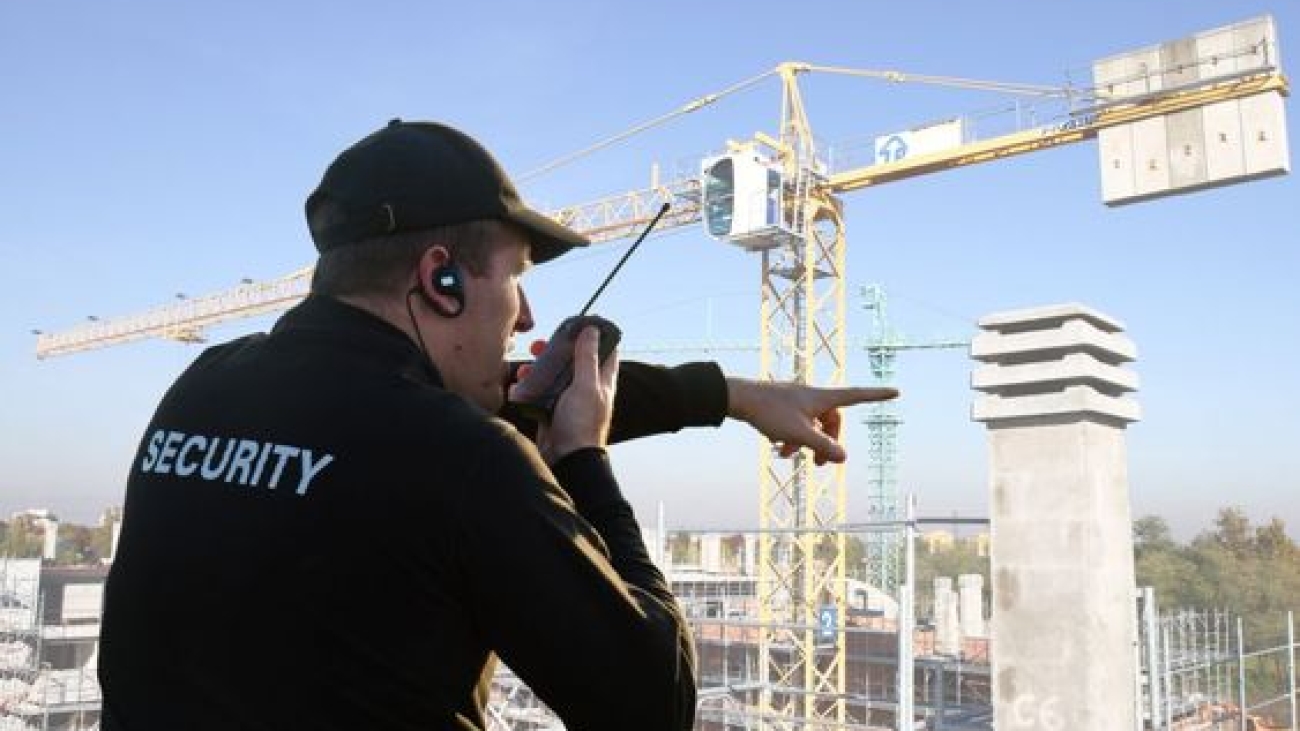
On-site security guards provide a physical presence that can deter criminal activity and respond quickly to incidents. They can monitor entrances, patrol the premises, and provide assistance during emergencies. Security guards can be armed or unarmed, depending on the level of risk and the nature of your business.

Surveillance Systems

Surveillance systems are an essential component of any security plan. These systems include cameras, alarms, and motion detectors that monitor your premises 24/7. Modern surveillance technology also allows for remote monitoring, giving you peace of mind even when you’re off-site.

Access Control Systems

Access control systems restrict unauthorized entry to your business premises. These systems can include keycard access, biometric scanners, and electronic locks. Access control is particularly important for businesses with sensitive areas, such as data centers or research labs, where restricted access is necessary.

Cybersecurity Services

In the digital age, cybersecurity is a critical aspect of business security. Cybersecurity services include firewalls, encryption, intrusion detection systems, and regular security audits. These measures protect your business’s data and networks from cyber threats such as hacking, malware, and phishing attacks.

Mobile Patrols

Mobile patrols provide a flexible security solution, where security personnel patrol your premises at random intervals. This unpredictability makes it more difficult for potential criminals to plan their actions. Mobile patrols are especially useful for large properties or businesses with multiple locations.

Emergency Response Services

Emergency response services ensure that your business is prepared for any unexpected incidents, such as fires, medical emergencies, or security breaches. These services typically include trained personnel who can respond quickly and effectively, minimizing the impact of the incident.

Choosing the Right Security Provider

Once you have identified your security needs and the types of services you require, the next step is choosing the right security provider. This decision should be based on several factors, including the provider’s reputation, experience, and ability to meet your specific needs.

Reputation and Experience

When choosing a security provider, it’s important to consider their reputation and experience in the industry. Look for providers with a proven track record of success and positive client testimonials. An experienced provider will have the knowledge and expertise to handle a wide range of security challenges.

Licensing and Accreditation

Ensure that the security provider you choose is properly licensed and accredited by relevant authorities. This not only ensures that they operate within the law but also that they adhere to industry standards and best practices. Licensing requirements may vary depending on your location and the type of security services you need.

Customization and Flexibility

Every business is unique, and so are its security needs. A good security provider should offer customized solutions that are tailored to your specific requirements. They should also be flexible, able to adjust their services as your business grows or as your security needs change.

Technology and Innovation

In today’s fast-paced world, technology plays a critical role in security. Choose a provider that utilizes the latest technology and stays updated on emerging security trends. This includes advanced surveillance systems, real-time monitoring, and cutting-edge cybersecurity measures.

Customer Support and Responsiveness

Effective security requires ongoing support and communication. Your security provider should offer excellent customer support and be responsive to your needs. This includes regular updates, quick response times, and a dedicated point of contact for any concerns or emergencies.

Integrating Security Services into Your Business Operations

Once you’ve chosen the right security services and provider, the next step is integrating these services into your business operations. This involves creating a security plan, training your staff, and regularly reviewing and updating your security measures.

Developing a Security Plan

A comprehensive security plan outlines the specific measures you will take to protect your business. This plan should include detailed protocols for various scenarios, such as unauthorized entry, data breaches, and emergency evacuations. It should also specify the roles and responsibilities of your security personnel and employees.

Employee Training and Awareness

Security is a collective effort, and your employees play a crucial role in maintaining a secure environment. Provide regular training sessions to ensure that your staff understands security protocols, knows how to respond to incidents, and is aware of the importance of following security procedures.

Regular Security Audits and Updates

Security is not a one-time investment; it requires ongoing attention and improvement. Conduct regular security audits to assess the effectiveness of your security measures and identify any gaps or weaknesses. Based on the results, update your security plan and services as needed to address new threats and challenges.

The Benefits of Investing in the Right Security Services

Investing in the right security services offers numerous benefits for your business. Not only does it protect your assets and personnel, but it also enhances your reputation, ensures regulatory compliance, and provides peace of mind.

Enhanced Protection

The most obvious benefit of investing in security services is the enhanced protection of your business. With the right measures in place, you can deter criminal activity, respond quickly to incidents, and minimize the impact of any security breaches.

Improved Reputation and Customer Trust

A secure business environment builds trust among customers, employees, and partners. Knowing that you take security seriously can enhance your reputation, attract more clients, and improve employee satisfaction.

Legal and Regulatory Compliance

Depending on your industry, there may be specific legal and regulatory requirements related to security. Investing in the right services ensures that you comply with these regulations, avoiding potential fines and legal issues.

Peace of Mind

Finally, knowing that your business is well-protected provides peace of mind. You can focus on growing your business and achieving your goals, confident that your security needs are being handled by professionals.

Conclusion

Choosing the right security services for your business is a critical decision that requires careful consideration and planning. By understanding your security needs, exploring the various options available, and selecting a reputable provider, you can create a secure environment that protects your assets, employees, and customers. In an increasingly complex and unpredictable world, investing in the right security services is not just a smart move—it’s a necessity for the long-term success and sustainability of your business