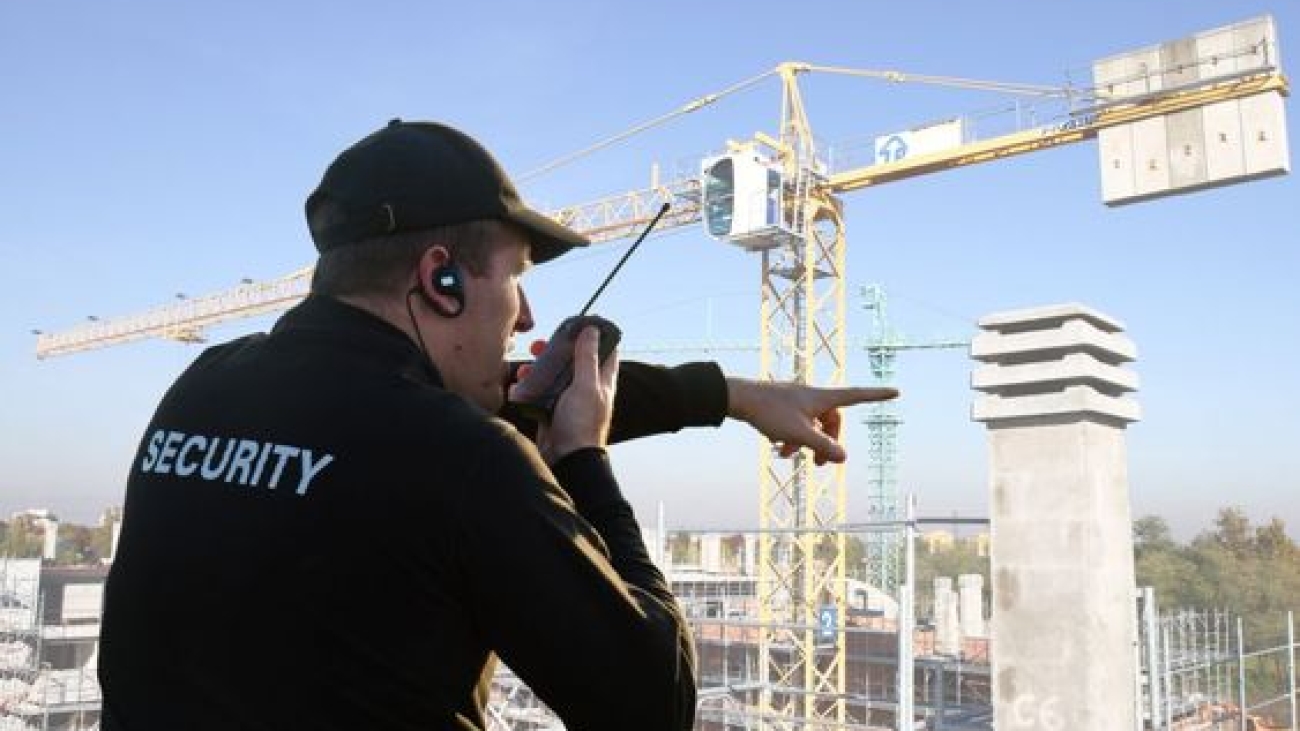

In today’s fast-paced business environment, security is no longer just a luxury—it’s a necessity. Businesses, both large and small, are faced with a multitude of risks that could potentially jeopardize their operations, assets, and reputation. The demand for 24/7 security has become more critical than ever as companies strive to protect themselves against increasingly sophisticated threats. This article delves into the importance of round-the-clock security and how it plays a vital role in keeping your business safe.
Understanding the Growing Need for 24/7 Security
In the modern world, where digital and physical threats are constantly evolving, having 24/7 security is essential. The risk landscape for businesses has expanded, and the potential consequences of a security breach can be catastrophic. Cyber-attacks, physical intrusions, and internal threats are just a few examples of the dangers that businesses must guard against. The need for constant vigilance cannot be overstated.
The Role of 24/7 Security in Protecting Business Assets
One of the primary reasons for implementing round-the-clock security is the protection of business assets. These assets include not only physical items such as equipment, inventory, and property but also intangible assets like data and intellectual property. A security breach can lead to significant financial losses, legal liabilities, and damage to the company’s reputation.
Physical Security
Physical security measures, such as surveillance cameras, access control systems, and security personnel, are crucial in preventing unauthorized access to business premises. These measures are effective at deterring potential intruders and responding quickly to any security incidents.
Cybersecurity
With the rise of digital transformation, businesses are more reliant on technology than ever before. Cybersecurity is a critical component of 24/7 security, ensuring that networks, systems, and data are protected from cyber threats. This includes measures such as firewalls, encryption, intrusion detection systems, and regular security updates.
How 24/7 Security Enhances Business Continuity
Business continuity is the ability of a company to continue its operations in the face of a crisis or disruption. 24/7 security plays a pivotal role in ensuring that a business can maintain its operations without significant interruptions. Whether it’s a natural disaster, cyber-attack, or physical intrusion, having a robust security system in place allows a business to respond quickly and effectively, minimizing downtime and loss.
Preventing Downtime
Unplanned downtime can be costly for businesses. It can result in lost revenue, decreased productivity, and damage to customer trust. 24/7 security helps prevent downtime by monitoring for potential threats and addressing them before they can escalate into full-blown crises.
Ensuring Data Integrity
Data integrity is crucial for business operations. A breach in data integrity can lead to incorrect business decisions, financial losses, and legal ramifications. Round-the-clock cybersecurity ensures that data is consistently monitored and protected, preserving its accuracy and reliability.
The Economic Impact of Security Breaches
Security breaches can have devastating economic consequences for businesses. The costs associated with a breach can include legal fees, regulatory fines, loss of revenue, and the expenses involved in mitigating the damage. In some cases, businesses may never fully recover from a major security incident.
Direct Costs
Direct costs of a security breach include the immediate expenses related to containing and addressing the breach. This can involve the cost of forensic investigations, legal consultations, and repairing any damage caused.
Indirect Costs
Indirect costs are often more challenging to quantify but can be just as damaging. These include reputational damage, loss of customer trust, and the long-term impact on business relationships. The loss of sensitive data can lead to a loss of competitive advantage, further affecting the company’s bottom line.
Legal and Regulatory Compliance
In many industries, maintaining 24/7 security is not just a best practice—it’s a legal requirement. Various regulations mandate that businesses implement stringent security measures to protect sensitive data and ensure the privacy of their clients and customers.
Data Protection Regulations
With regulations such as the General Data Protection Regulation (GDPR) and the California Consumer Privacy Act (CCPA), businesses are required to take specific measures to protect personal data. Non-compliance with these regulations can result in severe penalties, including hefty fines and legal action.
Industry-Specific Requirements
Certain industries, such as finance, healthcare, and energy, have additional security requirements due to the sensitive nature of the information they handle. 24/7 security is essential in these sectors to ensure compliance with industry standards and regulations.
The Role of Technology in 24/7 Security
Technology plays a crucial role in enabling round-the-clock security. Advancements in surveillance, access control, and cybersecurity tools have made it easier for businesses to monitor and protect their assets at all times.
Surveillance Systems
Modern surveillance systems offer high-definition video, real-time monitoring, and advanced analytics that can detect unusual activity. These systems are integral to 24/7 physical security, providing a constant watch over business premises.
Access Control Systems
Access control systems are designed to restrict unauthorized entry to specific areas of a business. These systems can be integrated with other security measures to provide comprehensive protection, ensuring that only authorized personnel have access to sensitive areas.
Cybersecurity Tools
The latest cybersecurity tools use artificial intelligence and machine learning to detect and respond to threats in real time. These tools can identify patterns and anomalies that may indicate a security breach, allowing businesses to take swift action to mitigate the risk.
Building a Comprehensive 24/7 Security Strategy
Implementing 24/7 security requires a comprehensive strategy that addresses both physical and cyber threats. This strategy should be tailored to the specific needs of the business and should evolve as new threats emerge.
Risk Assessment
A thorough risk assessment is the first step in building a 24/7 security strategy. This involves identifying potential threats, assessing the likelihood of those threats, and determining the potential impact on the business. The results of the risk assessment will inform the security measures that need to be implemented.
Layered Security Approach
A layered security approach involves implementing multiple security measures that work together to provide comprehensive protection. This approach ensures that if one layer of security is breached, additional layers are in place to prevent further intrusion.
Continuous Monitoring and Improvement
24/7 security is not a one-time implementation—it requires continuous monitoring and improvement. Regular security audits, updates to security systems, and employee training are essential to maintaining a high level of security.
The Human Element in 24/7 Security
While technology is a vital component of round-the-clock security, the human element cannot be overlooked. Security personnel play a critical role in monitoring, responding to incidents, and ensuring that security protocols are followed.
Security Personnel
Trained security personnel are essential for responding to physical threats, managing access control, and providing a visible deterrent to potential intruders. Their presence is a key component of any 24/7 security strategy.
Employee Awareness and Training
Employees are often the first line of defense against security threats. Regular training and awareness programs are essential to ensure that employees understand their role in maintaining security and know how to respond to potential threats.
Conclusion
In today’s increasingly complex threat landscape, 24/7 security is more than just a precaution—it’s a critical necessity. By implementing round-the-clock protection, businesses can safeguard their assets, ensure business continuity, and comply with legal and regulatory requirements. A comprehensive 24/7 security strategy that incorporates both technology and human elements is essential for maintaining a secure business environment. With the right measures in place, businesses can mitigate risks, protect their reputation, and achieve long-term success.