
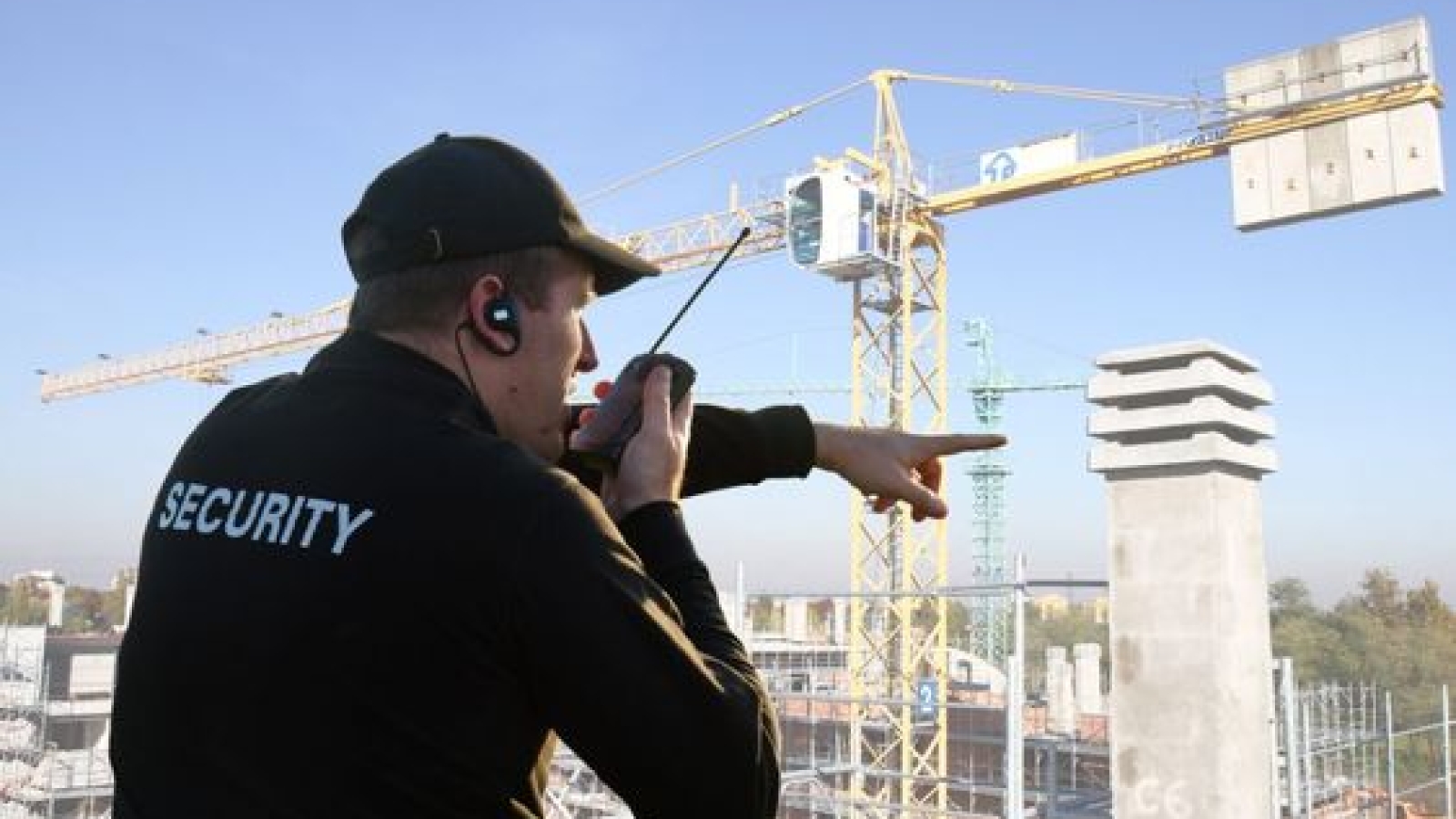
In today’s fast-paced and ever-evolving business environment, ensuring the safety and security of your assets, employees, and customers is a top priority. Whether you’re a small business owner or a large corporation, selecting the right security services is crucial to safeguarding your operations. This comprehensive guide will walk you through the essential factors to consider when choosing security services for your business, ensuring you make an informed decision that meets your specific needs.
Understanding the Importance of Security Services
The first step in choosing the right security services is understanding why they are vital to your business. Security threats come in many forms, from physical intrusions and theft to cyber-attacks and data breaches. Without adequate protection, your business could face severe financial losses, reputational damage, and legal repercussions.
Protecting Physical Assets
Physical assets, such as equipment, inventory, and property, are often the most visible targets for criminals. Implementing physical security services, such as on-site security guards, surveillance systems, and access control, can help deter theft and vandalism, ensuring your assets remain safe.
Ensuring Employee and Customer Safety
The safety of your employees and customers is paramount. A secure environment not only protects them from harm but also fosters a positive atmosphere where productivity and customer satisfaction can thrive. Security services like emergency response teams, patrol services, and monitoring systems are essential to maintaining a safe workplace.
Safeguarding Data and Intellectual Property
In the digital age, protecting your business’s data and intellectual property is just as important as securing physical assets. Cybersecurity services are crucial for defending against data breaches, hacking attempts, and other online threats that could compromise your business’s sensitive information.
Assessing Your Security Needs
Before selecting security services, it’s essential to conduct a thorough assessment of your business’s specific security needs. This involves identifying potential risks, evaluating your current security measures, and determining the level of protection required.
Conducting a Risk Assessment
A risk assessment is a systematic process of identifying and analyzing potential threats to your business. This includes considering factors such as the nature of your business, the location of your premises, and the value of your assets. The results of this assessment will help you prioritize the security services that are most critical for your business.
Evaluating Existing Security Measures
Reviewing your current security measures is an important step in determining what additional services may be needed. Consider whether your existing systems are up to date, if they cover all potential vulnerabilities, and whether there have been any recent security incidents that could indicate gaps in your protection.
Determining the Level of Security Required
The level of security your business requires will depend on various factors, including the size of your business, the industry you operate in, and the specific risks you face. For example, a retail store may require different security measures than a corporate office or a manufacturing facility. Understanding these differences will help you choose the most appropriate security services.
Types of Security Services Available
There is a wide range of security services available to businesses, each designed to address specific threats and vulnerabilities. Understanding these options will help you choose the right combination of services for your business.
On-Site Security Guards
On-site security guards provide a physical presence that can deter criminal activity and respond quickly to incidents. They can monitor entrances, patrol the premises, and provide assistance during emergencies. Security guards can be armed or unarmed, depending on the level of risk and the nature of your business.
Surveillance Systems
Surveillance systems are an essential component of any security plan. These systems include cameras, alarms, and motion detectors that monitor your premises 24/7. Modern surveillance technology also allows for remote monitoring, giving you peace of mind even when you’re off-site.
Access Control Systems
Access control systems restrict unauthorized entry to your business premises. These systems can include keycard access, biometric scanners, and electronic locks. Access control is particularly important for businesses with sensitive areas, such as data centers or research labs, where restricted access is necessary.
Cybersecurity Services
In the digital age, cybersecurity is a critical aspect of business security. Cybersecurity services include firewalls, encryption, intrusion detection systems, and regular security audits. These measures protect your business’s data and networks from cyber threats such as hacking, malware, and phishing attacks.
Mobile Patrols
Mobile patrols provide a flexible security solution, where security personnel patrol your premises at random intervals. This unpredictability makes it more difficult for potential criminals to plan their actions. Mobile patrols are especially useful for large properties or businesses with multiple locations.
Emergency Response Services
Emergency response services ensure that your business is prepared for any unexpected incidents, such as fires, medical emergencies, or security breaches. These services typically include trained personnel who can respond quickly and effectively, minimizing the impact of the incident.
Choosing the Right Security Provider
Once you have identified your security needs and the types of services you require, the next step is choosing the right security provider. This decision should be based on several factors, including the provider’s reputation, experience, and ability to meet your specific needs.
Reputation and Experience
When choosing a security provider, it’s important to consider their reputation and experience in the industry. Look for providers with a proven track record of success and positive client testimonials. An experienced provider will have the knowledge and expertise to handle a wide range of security challenges.
Licensing and Accreditation
Ensure that the security provider you choose is properly licensed and accredited by relevant authorities. This not only ensures that they operate within the law but also that they adhere to industry standards and best practices. Licensing requirements may vary depending on your location and the type of security services you need.
Customization and Flexibility
Every business is unique, and so are its security needs. A good security provider should offer customized solutions that are tailored to your specific requirements. They should also be flexible, able to adjust their services as your business grows or as your security needs change.
Technology and Innovation
In today’s fast-paced world, technology plays a critical role in security. Choose a provider that utilizes the latest technology and stays updated on emerging security trends. This includes advanced surveillance systems, real-time monitoring, and cutting-edge cybersecurity measures.
Customer Support and Responsiveness
Effective security requires ongoing support and communication. Your security provider should offer excellent customer support and be responsive to your needs. This includes regular updates, quick response times, and a dedicated point of contact for any concerns or emergencies.
Integrating Security Services into Your Business Operations
Once you’ve chosen the right security services and provider, the next step is integrating these services into your business operations. This involves creating a security plan, training your staff, and regularly reviewing and updating your security measures.
Developing a Security Plan
A comprehensive security plan outlines the specific measures you will take to protect your business. This plan should include detailed protocols for various scenarios, such as unauthorized entry, data breaches, and emergency evacuations. It should also specify the roles and responsibilities of your security personnel and employees.
Employee Training and Awareness
Security is a collective effort, and your employees play a crucial role in maintaining a secure environment. Provide regular training sessions to ensure that your staff understands security protocols, knows how to respond to incidents, and is aware of the importance of following security procedures.
Regular Security Audits and Updates
Security is not a one-time investment; it requires ongoing attention and improvement. Conduct regular security audits to assess the effectiveness of your security measures and identify any gaps or weaknesses. Based on the results, update your security plan and services as needed to address new threats and challenges.
The Benefits of Investing in the Right Security Services
Investing in the right security services offers numerous benefits for your business. Not only does it protect your assets and personnel, but it also enhances your reputation, ensures regulatory compliance, and provides peace of mind.
Enhanced Protection
The most obvious benefit of investing in security services is the enhanced protection of your business. With the right measures in place, you can deter criminal activity, respond quickly to incidents, and minimize the impact of any security breaches.
Improved Reputation and Customer Trust
A secure business environment builds trust among customers, employees, and partners. Knowing that you take security seriously can enhance your reputation, attract more clients, and improve employee satisfaction.
Legal and Regulatory Compliance
Depending on your industry, there may be specific legal and regulatory requirements related to security. Investing in the right services ensures that you comply with these regulations, avoiding potential fines and legal issues.
Peace of Mind
Finally, knowing that your business is well-protected provides peace of mind. You can focus on growing your business and achieving your goals, confident that your security needs are being handled by professionals.
Conclusion
Choosing the right security services for your business is a critical decision that requires careful consideration and planning. By understanding your security needs, exploring the various options available, and selecting a reputable provider, you can create a secure environment that protects your assets, employees, and customers. In an increasingly complex and unpredictable world, investing in the right security services is not just a smart move—it’s a necessity for the long-term success and sustainability of your business
A wonderful serenity has taken possession of my entire soul, like these sweet mornings of spring which I enjoy with my whole heart. I am alone, and feel the charm of existence in this spot, which was created for the bliss of souls like mine. I am so happy.
My Dear Friend, So Absorbed In The Exquisite Sense Of Mere Tranquil Existence, That I Neglect My Talents.
I feel that I never was a greater artist than now. When, while the lovely valley teems with vapour around me, and the meridian sun strikes the upper surface of the impenetrable foliage of my trees, and but a few stray gleams steal into the inner sanctuary.