
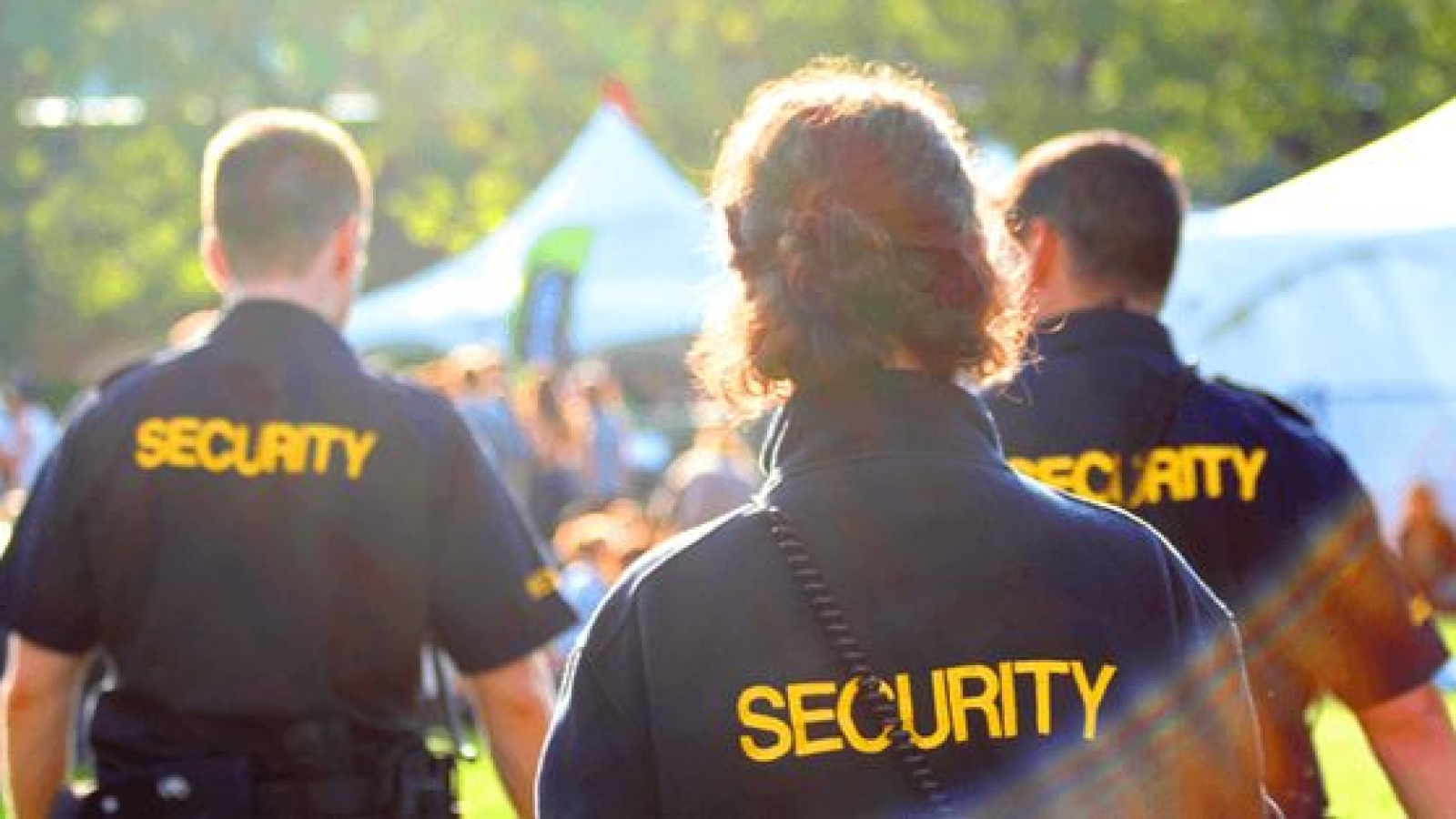
Managing large crowds during events is a complex task that requires meticulous planning, strategic execution, and a comprehensive understanding of potential risks. Whether it’s a music festival, sports event, or political rally, ensuring the safety of attendees is paramount. This article outlines essential strategies for managing large crowds safely, offering insights into effective event security practices that can help prevent incidents and ensure a smooth, secure experience for everyone involved.
Understanding the Importance of Event Security
Event security is not just about having guards at the entrance or installing surveillance cameras—it’s about creating a safe environment where attendees can enjoy the event without fear or risk. Proper event security involves anticipating potential issues, preparing for emergencies, and coordinating with all relevant stakeholders to ensure a seamless operation.
Risk Assessment
Before any event, a thorough risk assessment is crucial. This process involves identifying potential threats, vulnerabilities, and the specific needs of the event. Factors such as the size of the crowd, the nature of the event, the venue location, and historical data on similar events should all be considered.
Regulatory Compliance
Ensuring compliance with local regulations and safety standards is a critical part of event security. These regulations often dictate the minimum safety measures required, including crowd control barriers, emergency exits, and the presence of trained security personnel.
Pre-Event Planning and Coordination
The success of event security hinges on detailed pre-event planning and coordination. This involves working closely with law enforcement, emergency services, and venue staff to develop a comprehensive security plan.
Security Personnel Deployment
One of the key elements of event security is the strategic deployment of security personnel. Guards should be positioned at key points such as entrances, exits, and high-traffic areas. It’s essential to have both visible and covert security presence to deter potential threats and respond quickly to any incidents.
Access Control and Screening
Implementing strict access control measures is vital to prevent unauthorized individuals from entering the event. This includes ticket verification, bag checks, and the use of metal detectors. Pre-screening attendees for prohibited items can significantly reduce the risk of security breaches.
Crowd Management Techniques
Effective crowd management is central to maintaining order and ensuring the safety of attendees. Large crowds can quickly become dangerous if not properly controlled, leading to overcrowding, stampedes, or panic situations.
Designing the Venue Layout
The layout of the venue plays a crucial role in crowd management. Ensuring there are sufficient entry and exit points, clearly marked pathways, and ample space for movement can help prevent bottlenecks and overcrowding.
Use of Barriers and Barricades
Barriers and barricades are essential tools for controlling the flow of people and keeping crowds organized. These should be strategically placed to guide attendees and prevent unauthorized access to restricted areas.
Monitoring Crowd Behavior
Continuous monitoring of the crowd is essential for identifying potential issues before they escalate. Security personnel should be trained to recognize signs of distress, overcrowding, or aggressive behavior and take appropriate action to de-escalate situations.
Emergency Response Planning
Despite the best-laid plans, emergencies can still occur. Having a well-prepared emergency response plan is crucial for minimizing the impact of any incidents that do arise.
Developing an Emergency Evacuation Plan
An emergency evacuation plan should be in place and communicated to all staff and security personnel. This plan should include clear instructions for directing attendees to the nearest exits and designated safe zones.
Coordination with Emergency Services
Coordination with local emergency services, including police, fire departments, and medical personnel, is essential. These agencies should be briefed on the event details and the security plan so they can respond quickly and effectively if needed.
First Aid and Medical Services
Having first aid and medical services on-site is a critical aspect of event security. Medical tents should be strategically located and staffed with trained personnel ready to respond to injuries or medical emergencies.
Leveraging Technology for Enhanced Security
Technology has become a vital component of modern event security, offering tools that can enhance both prevention and response efforts.
Surveillance Systems
Surveillance cameras are indispensable for monitoring large crowds and identifying potential threats. These systems should be strategically placed to cover all critical areas of the venue and provide real-time feeds to the security control room.
Communication Systems
Effective communication is key to managing large crowds. Security personnel should be equipped with reliable communication systems to stay in constant contact with one another and with the central command center. This ensures a coordinated response to any incidents.
Crowd Analytics
Crowd analytics tools can be used to monitor crowd density and movement patterns in real time. This data allows security teams to proactively manage crowd flow and prevent dangerous situations such as overcrowding.
The Role of Security Personnel in Crowd Management
While technology is a powerful tool, the human element remains essential in event security. Trained security personnel are crucial for maintaining order and responding to incidents.
Training and Preparedness
Security personnel must be well-trained in crowd management techniques, emergency response, and conflict resolution. Regular training sessions and drills should be conducted to ensure that the team is prepared for any situation that may arise.
Visible Presence
A visible security presence can serve as a deterrent to potential troublemakers and reassure attendees that their safety is a priority. Security personnel should be approachable, yet authoritative, and ready to assist attendees with any concerns.
Conflict Resolution
Dealing with conflicts and disturbances is a common challenge in large events. Security personnel should be skilled in conflict resolution, capable of de-escalating tense situations without resorting to force unless absolutely necessary.
Post-Event Security Measures
Security doesn’t end when the event concludes. Post-event measures are necessary to ensure that attendees leave safely and that the venue is secure.
Managing Crowd Dispersal
Efficiently managing the dispersal of crowds at the end of an event is essential to prevent congestion and ensure safety. Security personnel should guide attendees to exits and transportation hubs while maintaining order.
Venue Security Sweep
After the event, a thorough security sweep of the venue should be conducted to ensure no suspicious items or individuals remain. This is also an opportunity to assess the effectiveness of the security plan and identify areas for improvement.
Debriefing and Evaluation
A post-event debriefing with all security personnel and stakeholders is essential to review the event’s security performance. This evaluation helps in refining future security plans and addressing any weaknesses identified during the event.
Conclusion
Managing large crowds safely at events requires a comprehensive approach that integrates planning, coordination, technology, and trained personnel. By implementing the strategies outlined in this article, event organizers can minimize risks, enhance safety, and ensure a positive experience for all attendees. In an era where the safety of large gatherings is more critical than ever, investing in effective event security is not just a necessity—it’s a responsibility.
A wonderful serenity has taken possession of my entire soul, like these sweet mornings of spring which I enjoy with my whole heart. I am alone, and feel the charm of existence in this spot, which was created for the bliss of souls like mine. I am so happy.
My Dear Friend, So Absorbed In The Exquisite Sense Of Mere Tranquil Existence, That I Neglect My Talents.